
Top Waterproofing Products To Protect Your Property Effectively
Explore our expert picks of waterproofing solutions designed to prevent leaks and ensure durability in your building projects.
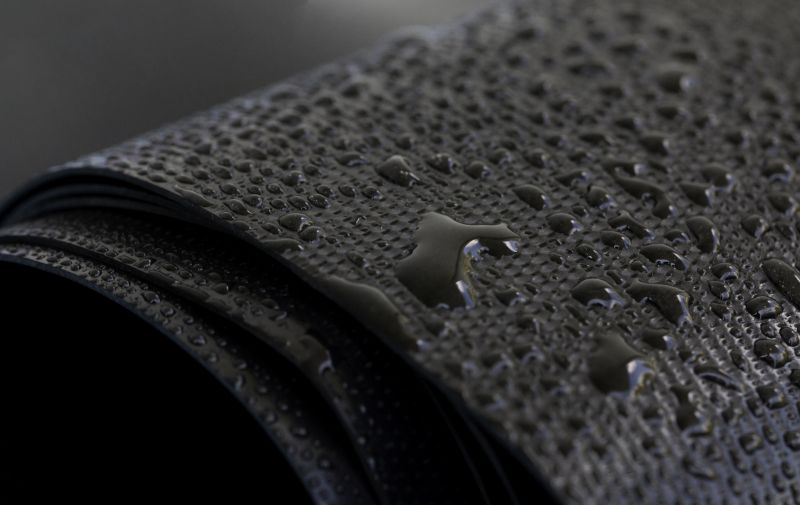 In the realm of waterproofing solutions, selecting the right products is essential for safeguarding structures against moisture intrusion, leaks, and water damage. Waterproofing products come in various forms, each designed to address specific needs such as sealing foundations, waterproofing roofs, or protecting underground structures. Whether for residential, commercial, or industrial applications, understanding the options available can help ensure effective and durable results. Proper application and maintenance are key factors in maximizing the lifespan and performance of these products.
Top Overall Option
Liquid Waterproofing Membrane
A versatile liquid membrane offers seamless application, forming a flexible, durable barrier that adheres well to various surfaces. It is suitable for roofs, foundations, and balconies, providing an effective solution for many waterproofing needs. Easy to apply with brushes, rollers, or sprayers, this product can adapt to complex shapes and tight spaces, making it a popular choice for many projects.
Types of Products For Waterproofings
Bituminous Coatings
Thick, tar-like coatings ideal for roofing and foundations, providing a durable, waterproof layer.
Liquid Rubber Membranes
Flexible, seamless coatings that form elastic waterproof barriers suitable for various surfaces.
Polyurethane Coatings
High-performance coatings offering excellent adhesion and waterproofing for roofs and decks.
Cementitious Waterproof Coatings
Easy-to-apply coatings suitable for basements and underground structures, forming a hard, waterproof layer.
Sheet Membranes
Pre-formed sheets made of rubber or plastic that provide a physical barrier against water intrusion.
Bitumen Sheets
Self-adhesive or torch-applied sheets used for roofing and foundation waterproofing.
Silicone Sealants
Flexible sealants ideal for sealing joints and cracks in waterproofing applications.
Acrylic Waterproof Coatings
Water-based coatings suitable for exterior surfaces, providing a protective waterproof layer.
Polyurea Coatings
Rapid-curing, high-strength coatings used for waterproofing tanks, bridges, and industrial floors.
Crystalline Waterproofing
Chemical treatments that penetrate concrete to form internal waterproof barriers.
Hydrophobic Sealants
Sealants that repel water, ideal for protecting masonry and concrete surfaces.
Spray-On Waterproofing
Aerosol or spray-applied products for quick and uniform waterproofing of various surfaces.
Waterproofing Tapes
Self-adhesive tapes used for quick repairs and sealing around joints and cracks.
Waterproofing Paints
Coatings that can be applied like paint to provide an additional layer of water resistance.
Foam Sealants
Expanding foam products used to fill gaps and prevent water infiltration.
Popular Choices
Widely used for their flexibility and seamless coverage, suitable for many waterproofing tasks.
Commonly applied for roofing and foundation protection, appreciated for their durability.
Popular for their adhesion and weather resistance in various waterproofing projects.
Preferred for their reliability and ease of installation in large-scale waterproofing.
Often chosen for basement and underground applications due to ease of application.
Commonly used for sealing joints and cracks in both residential and commercial settings.
Favored for exterior surfaces with their ease of application and protective qualities.
Gaining popularity for internal concrete waterproofing with chemical penetration.
Useful for quick fixes and sealing around vulnerable areas.
Versatile coatings suitable for various surfaces needing an extra water barrier.
Valued for rapid application over large or irregular surfaces.
Effective in protecting masonry and concrete from water penetration.
Ideal for filling gaps and preventing water leaks in tight spaces.
Waterproofing is not a one-size-fits-all process; different environments and materials require tailored solutions. From liquid membranes that form seamless barriers to sheet membranes that provide physical protection, the range of products caters to diverse project requirements. It is important to consider the compatibility of the waterproofing material with the surface, the exposure conditions, and the expected lifespan. Additionally, ease of application and safety during installation are also crucial considerations.
Investing in quality waterproofing products can help prevent costly repairs and structural issues over time. Properly selected and applied products create a protective layer that resists water penetration, reduces moisture buildup, and enhances the integrity of the structure. Regular inspection and maintenance further ensure that waterproofing remains effective, especially in areas prone to heavy rainfall or groundwater exposure. Consulting with professionals or knowledgeable suppliers can provide valuable insights into the most suitable solutions for specific projects.
Overall, choosing the right waterproofing products involves understanding the different types available, their intended use, and the specific conditions of the site. With the right approach, property owners and contractors can achieve reliable protection against water-related problems, ensuring long-term durability and safety.
Key Buying Considerations
- Identify the specific area or surface to be waterproofed, such as roof, foundation, or basement.
- Consider the type of waterproofing product best suited for the application, such as liquid, sheet, or sealant.
- Evaluate the environmental conditions, including exposure to UV, temperature fluctuations, and moisture levels.
- Check compatibility with existing materials and surfaces to ensure proper adhesion.
- Determine the durability and expected lifespan of the product in your specific environment.
- Assess ease of application, including whether professional installation is recommended or if DIY is feasible.
- Review drying or curing times to plan your project timeline accordingly.
- Consider safety features and handling instructions during application.
- Look into maintenance requirements to keep the waterproofing effective over time.
- Verify the product’s resistance to common environmental factors like UV rays, chemicals, and temperature changes.
- Check for any necessary primers or surface preparations required before application.
- Ensure the product complies with relevant building codes and standards.
- Consider cost-effectiveness by balancing quality and budget constraints.
- Research user reviews and expert recommendations for insights into real-world performance.
- Determine if additional accessories like tapes or sealants are needed for comprehensive coverage.